Get More People To See Your Content (Repurpose It!) with Annette Mashi | 121



Host Jon Clayton interviews Annette Mashi on Architecture Business Club about repurposing existing website content—case studies, portfolios, photos, and blog posts—so more people see it across platforms and are driven back to the website. Annette explains a top-down process: start with a large piece (e.g., an energy-efficiency case study), turn it into a blog, then break it into topic-specific newsletters and short LinkedIn posts that link back to the blog. They discuss finding content ideas in everyday client conversations and frequently asked questions, using AI tools like ChatGPT as a starting point while editing for voice and avoiding generic language, and why LinkedIn builds awareness, email newsletters nurture leads over long sales cycles, and blogs provide depth and a content library. Annette emphasises client-focused benefits over “we” messaging and highlights the value of a supportive professional network.
—
Today’s Guest
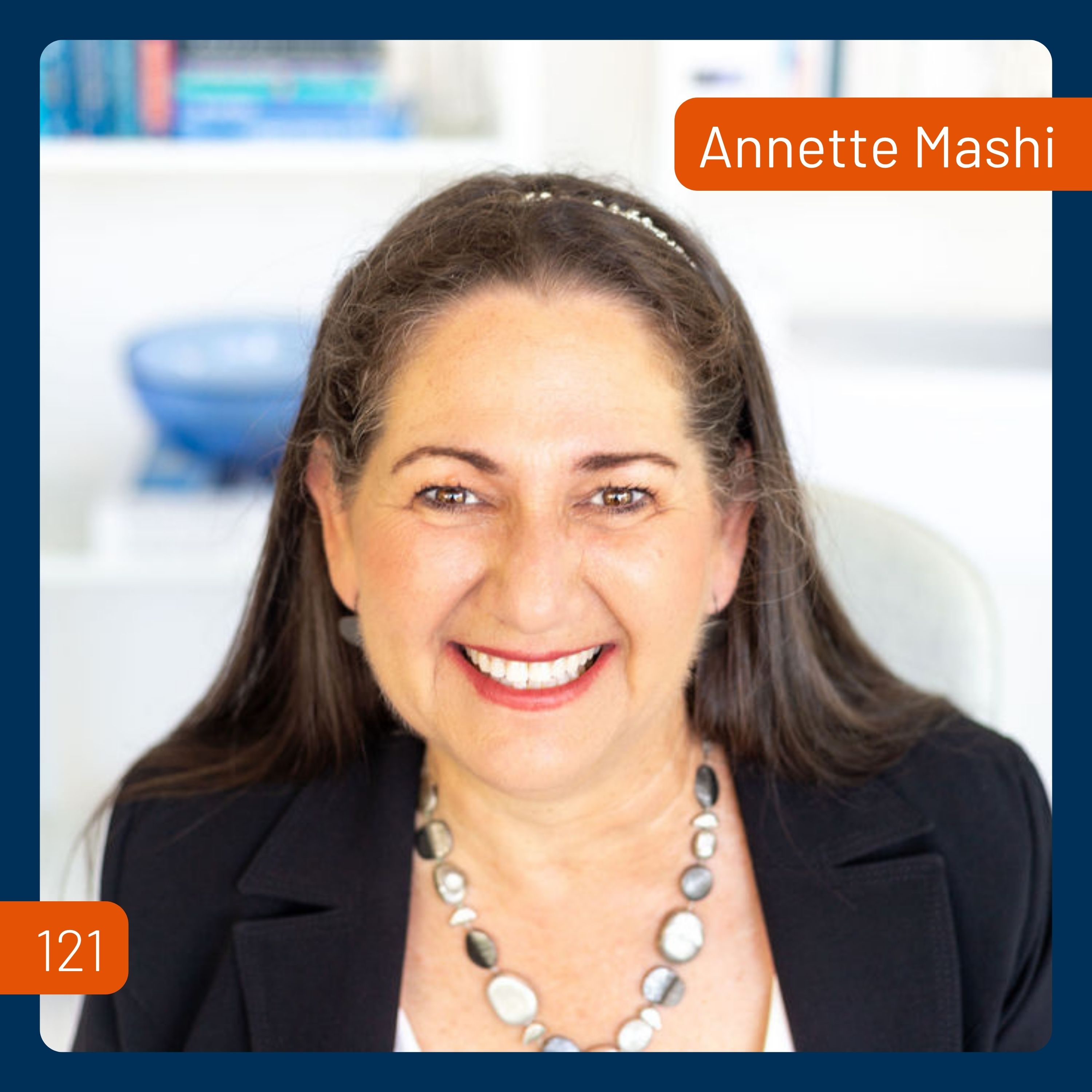
Annette Mashi creates magic with words. She gives visibility to female architects, interior designers, and women in the construction industry. She positions them as experts, demonstrates the value they provide, and helps them stand out from their competition so they attract clients they love and win their dream projects.
—
Episode Highlights
00:00 Introduction
00:43 Introducing Annette Mashi
01:13 Why Repurpose Content
02:05 Multi Platform Sharing
02:30 Driving Website Traffic
03:14 Channels To Use
03:31 Top Down Process
03:57 Case Study Example
04:22 Turning A Case Study Into A Blog
04:45 Turning A Blog Into A Newsletter
05:02 LinkedIn Snippets
05:27 Main Course Analogy
05:56 No Reinventing Wheel
06:14 Repurpose Podcasts Too
06:52 Guest Appearance Content
07:09 Ask For Transcripts
07:49 Finding Content Ideas
08:27 Marketing Team Analogy
10:48 Client Questions Content
12:30 Social Proof Framing
13:05 AI Repurposing Pitfalls
14:21 Use AI As Tool
17:19 ChatGPT Tells
18:18 Content Ecosystem Package
19:49 Awareness Building Content
20:11 Nurturing Content
20:44 Why You Need To Nurture Leads
21:44 Email Newsletter Opportunity
22:15 How Often To Send Your Email Newsletter
24:13 Flow Analogy
25:12 Results From Just Eight Blogs Per Year
25:39 Building A Content Library
26:42 Long Term Benefits From Content
28:09 Linking Content Together
29:46 Putting It Into Practice
30:55 Getting Started With Content Repurposing
32:11 Sharing Your Process
32:31 Content Marketing Book Recommendations
33:28 Benefits Vs Features
34:29 A Simple Exercise: We Vs You
35:26 The Resource Annette Mashi Can't Live Without
37:15 Closing And Connect
—
Key Takeaways
You already have more content than you think
You don't need to start from scratch. Look at what you've already got — a case study, a project photo, a blog post. You can take one big piece of content and break it into smaller pieces for LinkedIn, your newsletter, and your website. It's like getting more meals from one big cook-up. Stop letting good work sit there unseen.
You need to share your content in more than one place
Putting something on your website and hoping people will find it doesn't work. You need to share it across different places — social media, email, your blog. Each place does a different job. LinkedIn helps new people find you. Your email list keeps people warm over time. Your blog shows them how you think and what you can do. Together, they bring people closer to hiring you.
You should email your list at least once a month
Most designers — around 85% — don't send regular emails. That means if you do, you're already ahead of the crowd. People often take a year or more before they're ready to hire an architect. Sending a monthly email keeps you in their minds. Even if they don't read every word, they see your name and remember you're there. That matters a lot when they're finally ready to get started.
—
Subscribe on YouTube (for upcoming video episodes!) 📺
Send a Voicemail to the show (we listen to every message!) 📢
Connect with Annette Mashi on LinkedIn 🤝
Visit Annette Mashi’s Website 🖥️
Curious about podcasting? Click here to book a chat with Jon 🎧
Follow or Connect with Jon on LinkedIn 🤝
—
👇 And if you enjoyed this episode…
Please leave a 5-star review or rating wherever you listen to podcasts, and don’t forget to hit the subscribe button so you never miss an episode.
00:00 - Introduction
00:43 - Introducing Annette Mashi
01:13 - Why Repurpose Content
02:05 - Multi Platform Sharing
02:30 - Driving Website Traffic
03:14 - Channels To Use
03:31 - Top Down Process
03:57 - Case Study Example
04:22 - Turning A Case Study Into A Blog
04:45 - Turning A Blog Into A Newsletter
05:02 - LinkedIn Snippets
05:27 - Main Course Analogy
05:56 - No Reinventing Wheel
06:14 - Repurpose Podcasts Too
06:52 - Guest Appearance Content
07:09 - Ask For Transcripts
07:49 - Finding Content Ideas
08:27 - Marketing Team Analogy
10:48 - Client Questions Content
12:30 - Social Proof Framing
13:05 - AI Repurposing Pitfalls
14:21 - Use AI As Tool
17:19 - ChatGPT Tells
18:18 - Content Ecosystem Package
20:22 - Awareness Building Content
20:44 - Nurturing Content
21:17 - Why You Need To Nurture Leads
22:17 - Email Newsletter Opportunity
22:48 - How Often To Send Your Email Newsletter
24:46 - Flow Analogy
25:45 - Results From Just Eight Blogs Per Year
26:12 - Building A Content Library
27:15 - Long Term Benefits From Content
28:42 - Linking Content Together
30:19 - Putting It Into Practice
31:28 - Getting Started With Content Repurposing
32:44 - Sharing Your Process
33:04 - Content Marketing Book Recommendations
34:01 - Benefits Vs Features
35:02 - A Simple Exercise: We Vs You
35:59 - The Resource Annette Mashi Can't Live Without
37:48 - Closing And Connect
So you've got case studies or a portfolio of work on your website,
Jon Clayton:but are enough people seeing it.
Jon Clayton:In this episode, we are talking about content repurposing.
Jon Clayton:You'll learn the benefits of repurposing your content.
Jon Clayton:You'll hear an example of how it's done, and learn how to find
Jon Clayton:new ideas for your content and stick around to the end to learn
Jon Clayton:one thing that you can do today to get started.
Jon Clayton:Welcome to Architecture Business Club, the show that helps you build
Jon Clayton:a better business in architecture so you can enjoy more freedom,
Jon Clayton:flexibility, and fulfillment.
Jon Clayton:I'm your host, John Clayton, and if you're joining us for the first time,
Jon Clayton:don't forget to hit the subscribe button so you'd never miss another episode.
Jon Clayton:We are joined by Annette Mahi.
Jon Clayton:Annette creates magic with words.
Jon Clayton:She gives visibility to female architects, interior designers, and
Jon Clayton:women in the construction industry.
Jon Clayton:She positions them as experts demonstrating the true value that
Jon Clayton:they provide and helps them stand out from their competition so they
Jon Clayton:can attract the clients that they love and win their dream projects.
Jon Clayton:To get a free audit of your website content, just click
Jon Clayton:the link in the show notes.
Jon Clayton:So Annette, we are going to talk about content repurposing so that
Jon Clayton:the content that we make can, you know, work harder for us.
Jon Clayton:So, for example, this could be something like, uh, a case study on
Jon Clayton:our website, something like that.
Jon Clayton:And I know, and you, I'm sure you know as well, that there's many
Jon Clayton:architects, many architecture firms out there that have got.
Jon Clayton:Lots of content sitting on their website.
Jon Clayton:Um, they've already got content, so they might have case studies, they
Jon Clayton:might have a portfolio, maybe some project photos or blog posts, and it's
Jon Clayton:just sitting there on the website.
Jon Clayton:What are they missing out on here when it comes to their content?
Annette Mashi:Well, it's a shame because they built it and if you
Annette Mashi:built it like you built it, you say, I built it, they will come.
Annette Mashi:But I mean, that was only in field of dreams.
Annette Mashi:So the idea for any of your content is to try to put it out
Annette Mashi:there on multiple platforms.
Annette Mashi:You can create a LinkedIn post and then point somebody if you wanna read more
Annette Mashi:about whatever it is that the blog post is about, point them to the blog post,
Annette Mashi:send it in their email so you can have a link in your email that says, if you
Annette Mashi:wanna read more information about this.
Annette Mashi:Take a look at my website.
Annette Mashi:The idea for any kind of content is to drive people to your website
Annette Mashi:because that's where hopefully you're gonna be doing a lot of selling, and
Annette Mashi:that's where, um, people are gonna be looking to see what you do, who
Annette Mashi:you are, and why you're different than every other designer out there.
Jon Clayton:You mentioned there about the field of Dreams.
Jon Clayton:Uh, haven't seen that movie for a long time, but it's a great example, isn't it?
Jon Clayton:Um, the whole build it and they will come thing that we might think that we just
Jon Clayton:put this on the website and like, well, well it's on there now, so, so people
Jon Clayton:are gonna find it and see it, but we are missing out on an opportunity there
Jon Clayton:aren't we, to be able to get more people to be able to see it and discover it and,
Jon Clayton:and lead traffic back to our website by doing this contract repurposing thing.
Jon Clayton:Um, and you mentioned briefly there a few different ways that we can do
Jon Clayton:this, that, you know, we could be talking on LinkedIn about it, we
Jon Clayton:can be sharing it in newsletters.
Jon Clayton:So there's lots of different ways that we can do this.
Jon Clayton:We are gonna kind of walk through this though in a little bit more
Jon Clayton:detail, aren't we, together?
Jon Clayton:So, um, you have a process that starts typically with a big piece of
Jon Clayton:content and then works down.
Jon Clayton:So, um, could you perhaps walk us through that?
Jon Clayton:So how would say a case study on an architecture firm's website, how
Jon Clayton:would that then become like a blog?
Jon Clayton:A newsletter, social media posts, that sort of thing?
Jon Clayton:Could you walk us through that process?
Annette Mashi:Absolutely.
Annette Mashi:So The best is an example.
Annette Mashi:So I was writing for an architect.
Annette Mashi:He was talking about how to make it his home more energy efficient so he
Annette Mashi:could do a case study about what he did in order to make his home energy
Annette Mashi:efficient, and then what the challenges were and what the results was.
Annette Mashi:In other words, the end of the day it was, you know, 20% more energy efficient.
Annette Mashi:Okay, so that's the case study.
Annette Mashi:Or you could write and he could have a blog.
Annette Mashi:So he takes that same story, the same project, and make it into a blog.
Annette Mashi:Now the blog, he can talk about the furnace that broke.
Annette Mashi:He could talk about the windows that he needs to fix.
Annette Mashi:He could talk about the insulation, the solar panels.
Annette Mashi:So already we now have multiple topics in that one big, longer
Annette Mashi:piece of content in the blog.
Annette Mashi:Now I take that.
Annette Mashi:And I say, okay, well I talked about the windows, so let's write
Annette Mashi:a newsletter to my audience so that they can, that can encourage them.
Annette Mashi:It's drafted where you are in England.
Annette Mashi:So we wanna encourage them to have better windows.
Annette Mashi:How do they seal their windows?
Annette Mashi:And that becomes the newsletter.
Annette Mashi:And then a very, very short piece of that can then become the LinkedIn posts
Annette Mashi:where you're just talking about one specific thing that you could do to
Annette Mashi:make your windows a little, you know, a little more, um, I don't know, sealed.
Annette Mashi:All of those things can then point back to the blog and back
Annette Mashi:to your website where somebody can read more information about him.
Annette Mashi:So it's taking a big piece and breaking it down into lots and lots of little pieces.
Jon Clayton:I love this.
Jon Clayton:It's like the, the, the big original piece is like the kind of the main
Jon Clayton:course, and then there's like all these other appetizers that we kind of, um,
Jon Clayton:you know, um, put pulling from that.
Jon Clayton:And it's all coming from that original piece of content.
Jon Clayton:So we're not having to start afresh from sort of ground zero Again, we are using
Jon Clayton:what we've already got and repurposing it into other pieces of content that
Jon Clayton:are suit, you know, suited for those places where we're distributing it.
Annette Mashi:Yeah, you don't need to reinvent the wheel.
Annette Mashi:I know, um, you know, designers, we like to like do things new, but really
Annette Mashi:we, we, we don't, you can, you, you have so much, you put so much time and
Annette Mashi:effort into building those pieces of content into building a content library.
Annette Mashi:You might as well reuse it every which way you can.
Jon Clayton:I've definitely been guilty of this before pro, probably still am,
Jon Clayton:that, you know, we create this example being, say, this podcast, um, one single
Jon Clayton:podcast episode can be, you could, you can repurpose the, the heck out of it.
Jon Clayton:You know, that you can have video clips, blog posts, um, you know.
Jon Clayton:All sorts of different stuff.
Jon Clayton:It can be broken down into.
Jon Clayton:there's a lot of mileage there.
Jon Clayton:If you create something long form, like, um, you've got a long blog on
Jon Clayton:the website, long case study or when the case of a video or podcast being
Jon Clayton:able to take that transcripts, there's just so much that can be done with it.
Annette Mashi:Right.
Annette Mashi:And even if they're not hosting their own podcast, if they appear
Annette Mashi:on some of these podcasts, use that transcript and break that down into
Annette Mashi:the content that that exists into the different stories that you have.
Jon Clayton:Yes.
Jon Clayton:Yeah, absolutely.
Jon Clayton:Yeah, that's, um, it's a good point that.
Jon Clayton:Um, particularly with that, that scenario of like being a guest on
Jon Clayton:somebody else's show where it's a video show or, or, or audio podcast.
Jon Clayton:Um, yeah, there's no harm.
Jon Clayton:Just ask some, sometimes people will share the transcript or some promotional
Jon Clayton:resources with you, but otherwise just feel free to ask for it because then
Jon Clayton:you can use it on your own website.
Jon Clayton:Again, it's just that thing of kind of, I guess it's getting into that content
Jon Clayton:repurposing mindset that actually.
Jon Clayton:If you feature in someone else's content that you can still repurpose
Jon Clayton:it even if they choose not to.
Annette Mashi:Great.
Annette Mashi:And you're, you're giving them also exposure, so it's
Annette Mashi:a win-win for both sides.
Jon Clayton:Definitely.
Jon Clayton:So, um, I mean, I think there's a lot of people out there that,
Jon Clayton:that tell themselves that they haven't got stuff to write about.
Annette Mashi:Hmm.
Jon Clayton:They'll, they tell themselves this story of like, you know, well, what,
Jon Clayton:what have I got interesting to write?
Jon Clayton:You know, who's gonna, who's gonna want to read what I've got to say?
Jon Clayton:Um, but I think when we talked previously, you mentioned about
Jon Clayton:picking up story ideas from those day-to-day conversations with clients.
Jon Clayton:Um, have you got any suggestions for how to sort of spot some of those hidden
Jon Clayton:gems that we could use for content?
Annette Mashi:I think almost anything.
Annette Mashi:Almost anything can be content.
Annette Mashi:I was speaking with somebody today and we were talking about how somebody had
Annette Mashi:hired somebody to do the newsletter, somebody else to do the Instagram,
Annette Mashi:somebody else to do the video.
Annette Mashi:That they're, they've hired multiple people to do all of
Annette Mashi:those little individual pieces.
Annette Mashi:And I said, gee, it sounds just like, um, an architect who wants
Annette Mashi:to control the whole project.
Annette Mashi:And now you have all these other little p all these other pieces.
Annette Mashi:You have the interior designer, you have the electrician, you have,
Annette Mashi:you know, the structural person.
Annette Mashi:I said, you, you have all these other little pieces, whereas
Annette Mashi:you need the architect at the top to be able to do everything.
Annette Mashi:So you're taking the story of somebody who's, their marketing and their, their
Annette Mashi:marketing is probably pieced together.
Annette Mashi:In, in different, in it, it might not even be aligned.
Annette Mashi:It might not even be all work together because we have six or seven different
Annette Mashi:pieces, people doing the work, whereas an architect is overseeing everything.
Annette Mashi:So they really, instead of hiring a bunch of people, they should
Annette Mashi:hire one person to oversee it all.
Annette Mashi:And so it all has one unique voice and tone.
Annette Mashi:So it's, it's looking for these things that just happen on a day-to-day basis.
Annette Mashi:Anything that you are doing, anything that happens on a job
Annette Mashi:site, anything that you're, you're, you talk to a client about.
Annette Mashi:Um, a lot of people these days are talking about square footage
Annette Mashi:and the cost of square footage.
Annette Mashi:It's something that's happening.
Annette Mashi:Let's talk about it, let's write about it.
Annette Mashi:It's what interests your clients.
Annette Mashi:So we should have some content about it.
Jon Clayton:there is probably like tons of opportunities for
Jon Clayton:content ideas that, and I think.
Jon Clayton:That thing that some, sometimes, particularly like with the day to day
Jon Clayton:stuff that, that we do, or if you're an architect, the stuff that you do day
Jon Clayton:to day in your work, that because it's normalized for you, because you know
Jon Clayton:your profession very well, you've been doing it maybe for years, there'll be
Jon Clayton:aspects of it that you, you just think, well, who would be interested in this?
Jon Clayton:But for somebody that's not familiar with it.
Jon Clayton:It can be absolutely fascinating, kind of like pulling back the
Jon Clayton:curtain and, um, sharing some of the behind the scenes of projects
Jon Clayton:that people really love this stuff.
Jon Clayton:They really, really interested in understanding how things work.
Jon Clayton:So, um, yeah, I think like behind the scenes content would be, uh, would be one
Jon Clayton:particular thread that would be great.
Jon Clayton:And, um.
Jon Clayton:Yeah.
Jon Clayton:I think that you mentioned there about the conversations with clients.
Jon Clayton:I mean, clients typically, you know, they can ask a lot of questions.
Jon Clayton:Then you can end up sometimes like answering those same
Jon Clayton:questions time and time again.
Jon Clayton:I think, well, isn't that a great idea for a piece of content that it's like, oh.
Annette Mashi:Absolutely.
Jon Clayton:a blog post that answers that really thoroughly.
Jon Clayton:Here's the link to the blog post.
Jon Clayton:Go and read that and then let me know if you've got any other questions afterwards.
Jon Clayton:So, um, I think that's another benefit of, um, having this content kind of
Jon Clayton:working for you and repurposing these things that you've got that it, it
Jon Clayton:can help you throughout the whole customer journey kind of right from, um.
Jon Clayton:As part of your initial sales process, those early sales conversations,
Jon Clayton:when someone's thinking about working with you right through to
Jon Clayton:when you are working through all of the work stages of a typical
Jon Clayton:construction project with your clients.
Jon Clayton:And you know, any time there's something that ros, any explanation,
Jon Clayton:clarity, any questions that come up commonly, every single time you
Jon Clayton:identify something like that, that.
Jon Clayton:It's an opportunity for another piece of content that can then do
Jon Clayton:that work for you the next time
Annette Mashi:Right, right.
Annette Mashi:And then you, and then you add it as your LinkedIn.
Annette Mashi:I was having a conversation with a client the other day, and this is what I said.
Annette Mashi:Or this was my advice, so this is how I guided that person.
Annette Mashi:You know, this is how I guided my client.
Annette Mashi:And then you can, you know, leave a hint if you wanna read more.
Annette Mashi:It's in my blog post.
Annette Mashi:So you, you created the blog and now you've given the little tidbit on the
Annette Mashi:LinkedIn article, the LinkedIn post, that will drive them to the blog.
Jon Clayton:Yeah, I love, I love that suggestion and that the way
Jon Clayton:that you suggested wording it where it's like, Hey, I was talking to a
Jon Clayton:client the other day because the other great thing about doing that is it's
Jon Clayton:reinforcing to people that I work with, clients like people have hired me.
Jon Clayton:So it's like a subtle way of providing a bit of social proof that.
Jon Clayton:Look, I know what I'm talking about and people are already hiring me to
Jon Clayton:do this, and this is an example of how I helped somebody the other day.
Jon Clayton:So that's a really good idea to, to do it in that way.
Jon Clayton:I love that.
Annette Mashi:Yeah.
Jon Clayton:One of the things that a lot more people are talking
Jon Clayton:about, obviously the rise of ai.
Jon Clayton:You know, we can't kind of get away from it these days.
Jon Clayton:Um, there seems to be a new AI tool coming out.
Jon Clayton:Yeah, almost daily the, the rate of knots that it's happening.
Jon Clayton:And so with those tools everywhere, there might be a lot of architects out
Jon Clayton:there that are thinking, well, okay, so I've been on this interview, I can
Jon Clayton:just chuck this transcript from that interview that I did and, um, b it
Jon Clayton:in chat GPT and, and that's going to spit out the other end some content.
Jon Clayton:Great.
Jon Clayton:It's done.
Jon Clayton:Like my, my work here is done.
Jon Clayton:Um.
Jon Clayton:What is the difference though between that approach of just kind
Jon Clayton:of throwing your transcript into chat GPT and sort of hoping for
Jon Clayton:the best versus the other approach?
Jon Clayton:You know, maybe a smarter approach to how you repurpose your content.
Annette Mashi:I think that throwing your transcript first, I'm wondering
Annette Mashi:where they're getting the transcript.
Annette Mashi:That's number one.
Annette Mashi:But even if, even if they have a transcript, let's say you had a
Annette Mashi:client call and you take the client call and you, which is great.
Annette Mashi:I mean here, this is a perfect way to repurpose you.
Annette Mashi:Have a client call, you record the transcript.
Annette Mashi:Now you take that client transcript and you put it into chat, GPT,
Annette Mashi:and you will get something.
Annette Mashi:I, um, it's just, then you have to go and you have to massage it and you
Annette Mashi:have to rework it, and you have to think like, maybe you'll ask chat, GPT.
Annette Mashi:What questions did the client ask?
Annette Mashi:And so now you can get a list of questions that the client asked
Annette Mashi:and say, okay, so what, what were the answers that I gave them?
Annette Mashi:And then you wanna read through it to make and make sure that it's, it's coherent.
Annette Mashi:Make sure it's your voice.
Annette Mashi:Make sure it's your tone.
Annette Mashi:Sometimes chat, GPT is giving you words that you would absolutely never say.
Annette Mashi:Um, so it's, you can, you can take the information and, and use.
Annette Mashi:These tools because they're tools the same way as we have spellchecker.
Annette Mashi:And the same way as we have a calculator, we don't divide anything anymore.
Annette Mashi:We use a calculator and chat.
Annette Mashi:GPT is great for to be able to, as a starting point and then work back
Annette Mashi:and forth and make the changes, make the tweaks, make sure it sounds like
Annette Mashi:you, otherwise you get texts that's like, we design beautiful spaces.
Annette Mashi:Well so does everybody else.
Annette Mashi:So
Jon Clayton:Yeah, it could end up sounding a bit vanilla
Jon Clayton:if it doesn't have that, that personalization, uh, afterwards.
Jon Clayton:But you're right though, in that.
Jon Clayton:It is a great time saver.
Jon Clayton:It's a great way to, to get started with the content, but it's not necessarily
Jon Clayton:like perfectly polished and finished and ready to go just when it comes out.
Jon Clayton:The other end of, of that prompt, um, I found that, um.
Jon Clayton:It, it is a great time saver and it's really useful, but even with a pretty
Jon Clayton:good prompt, you know, I think that if you just put a transcript from an
Jon Clayton:interview in there and just say, write me six LinkedIn posts based on this
Jon Clayton:transcript, it's not gonna be great.
Jon Clayton:Um, you can add more to that prompt or you can give it examples of your own
Jon Clayton:writing for it to sound a bit more like you, and it can do a better job, but
Jon Clayton:it's kind of like still needs, you know.
Jon Clayton:A bit of finessing at the end, and as you say, to make it sound like you, I think
Jon Clayton:if I, if it comes out with words and right words that I wouldn't use in conversation,
Jon Clayton:I, I like to have my writing sound like me, so that when somebody talks to me in
Jon Clayton:real life or, or on a video call, that if they'd read my LinkedIn post that
Jon Clayton:they, they sound like me, that they're using similar words, the same words.
Jon Clayton:Kind of a similar tone, and that unfortunately can get lost a little bit,
Jon Clayton:um, if you're overlying on the AI tools.
Jon Clayton:Um, but yeah, I think that's the approach, isn't it?
Jon Clayton:Use them to use these tools to save time and then just do that finessing
Jon Clayton:and personalization so that it still sounds like you, before you
Annette Mashi:Right,
Jon Clayton:publish.
Annette Mashi:right.
Annette Mashi:Because you want it to sound like you, I mean, it's your voice.
Annette Mashi:You, you, you don't want it.
Annette Mashi:It would be the same thing as using these tools to generate a drawing for you.
Annette Mashi:I mean, it's, it's probably not the same as your work, as, you
Annette Mashi:know, the architectural drawing.
Annette Mashi:So you, you can't just copy, paste whatever it gives.
Jon Clayton:Do you have any, any particular words that you
Jon Clayton:see in social media posts that you think, oh, that's chat, GPT?
Jon Clayton:There's a few that I can think of that just gives me the ick, like I, um, vital,
Jon Clayton:it seems to love to use the word vital, and either one is, um, delve or dive deep.
Jon Clayton:You know, I, I notice that quite a lot.
Jon Clayton:So, um,
Annette Mashi:I see magnetic, magnetic, like magnetic content.
Annette Mashi:Magnetic, yeah.
Annette Mashi:That I'm like, I don't want it to be magnetic.
Annette Mashi:So there's, there's definitely some words that I see that I'm like, now I
Annette Mashi:would, but I, but I always ask, even, even if I'm using it to kind of set up
Annette Mashi:from the conversation that I have with somebody, even if I use it as a starting
Annette Mashi:point, I still go back and say, I don't think that's what the client, that, that
Annette Mashi:doesn't sound like my client, you know?
Annette Mashi:And I, and I. Say, you know, what did she really say?
Annette Mashi:Or what's it really, what words did she really use?
Annette Mashi:And then I'll go through the transcript on my own and take a look
Jon Clayton:That sounds sensible.
Jon Clayton:So, um, Annette, you work with architects on blogs, um, newsletters, LinkedIn,
Jon Clayton:and you, you do this as a package, like those things kind of working together.
Jon Clayton:So why does that matter?
Jon Clayton:Why does it matter to have those.
Jon Clayton:Different elements working together and what, I mean, what, I guess what
Jon Clayton:happens if you just do one of them versus actually considering this as, um, a
Jon Clayton:package of the blog and the newsletters and the social media posts as well.
Annette Mashi:The idea is that different things do different things.
Annette Mashi:In other words, your LinkedIn post is going to make people aware of
Annette Mashi:who you are and they'll take an interest in you and in your writing.
Annette Mashi:Um, the newsletter is going to keep somebody nurtured over a period of time.
Annette Mashi:It takes a very long time for somebody to say yes.
Annette Mashi:Please build me a, a $5 million home.
Annette Mashi:So they're not gonna, it's, it's not like hitting the button on Amazon.
Annette Mashi:Yes.
Annette Mashi:Buy me, you know, toothpaste or something.
Annette Mashi:You know, it takes time for them to decide that, yes, I wanna hire somebody.
Annette Mashi:So you're nurturing that person month by month, by month, by month,
Annette Mashi:until they make the decisions.
Annette Mashi:And then the blog is a longer piece of content, which is where they can really
Annette Mashi:find out how you think, how you work, what you've done for other people.
Annette Mashi:And they can learn things like which countertops I, they should
Annette Mashi:choose for their homes, so different materials they should use.
Annette Mashi:How much does it really cost to build your dream home so that that
Annette Mashi:longer piece of content is, is there?
Jon Clayton:Each of those different types of content's doing a different thing.
Jon Clayton:You mentioned that the LinkedIn posts are great for building awareness, so
Jon Clayton:people, more people become aware of you that didn't know about you before because
Jon Clayton:they, you know, hopefully, obviously a little bit dependent on the algorithm and
Jon Clayton:that as well, but, but it, that's a way of building awareness of your business.
Jon Clayton:The emails you mentioned is great for nurturing, so once people have.
Jon Clayton:Uh, discovered you maybe expressed an interest in working with you.
Jon Clayton:Maybe they've filled in your contact form on your website or downloaded a freebie.
Jon Clayton:They've done some action that's then got them onto your email list so they've,
Jon Clayton:you're giving them something that's then.
Jon Clayton:They're exchanging and paying for it with their data.
Jon Clayton:Essentially they're giving you their email address and opting in to hear from you.
Jon Clayton:and that's so important.
Jon Clayton:It's such a good point you raised there about the timeframe for people to be ready
Jon Clayton:to invest in working with an architect or an architecture firm, because this
Jon Clayton:is potentially like, other than buying the home, it's probably the biggest.
Jon Clayton:Project that they'll do in their lives in the renovation, or if it is
Jon Clayton:at the new built home, this is the biggest thing they're ever gonna do.
Jon Clayton:And that is not something where you go from initial idea to, you know.
Jon Clayton:Starting the build.
Jon Clayton:Like that's not something that happens in days or weeks,
Jon Clayton:or sometimes even in months.
Jon Clayton:It could be well over a year.
Jon Clayton:You know, you could have people that, um, are interested in, they're doing this
Jon Clayton:project and it might be a year or two before they're actually in a position
Jon Clayton:where they're ready to hire an architect.
Jon Clayton:So, um, the nurturing piece is so important.
Annette Mashi:Would you like to hear the statistics?
Annette Mashi:You want the
Annette Mashi:statistics?
Jon Clayton:I would, yes, please.
Annette Mashi:85% of interior designers don't have emails.
Annette Mashi:So I'm gonna take it as designers in general, 85% do not.
Annette Mashi:That means that if you have one, you're in the upper 15%, you're already way
Annette Mashi:ahead of your competition just by emailing people on a regular basis.
Jon Clayton:Geez.
Jon Clayton:And by regular, I know, I mean.
Jon Clayton:Given the context of this, this period of time, from initial idea to ready to
Jon Clayton:buy, how often would you say is enough if you're gonna be emailing a newsletter
Jon Clayton:or something similar to your list?
Annette Mashi:Certainly not daily
Jon Clayton:No.
Annette Mashi:and weekly.
Annette Mashi:And weekly might be a little too difficult for people to, to handle.
Annette Mashi:So, but at least once a month you are popping into their inbox.
Annette Mashi:Even if they don't read the letter, they see your name and that awareness and
Annette Mashi:that, oh yeah, I remember that architect because they, they may have gotten your
Annette Mashi:name as a referral from somebody else, and now, now you're on their radar.
Annette Mashi:So stay on their radar and in order to stay on their radar, they're
Annette Mashi:gonna check you out on your website.
Annette Mashi:They're gonna check you out on social media, and if you're on their, if
Annette Mashi:they're on your mailing list, then they're getting information from
Annette Mashi:you on a regular basis, and you're gonna be the top of mind person.
Annette Mashi:They're gonna choose.
Jon Clayton:That is very sensible advice.
Jon Clayton:I, I totally agree actually.
Jon Clayton:I mean, I think given the duration of time once a month even,
Jon Clayton:that, that, that feels like.
Jon Clayton:It is still gonna be enough to keep you top of mind over that period of time
Jon Clayton:that we're likely to be looking at.
Jon Clayton:And as you say, even if they don't read it, they're still getting that little
Jon Clayton:cue, that little reminder of like, oh, you know, that that company is still in
Jon Clayton:business, they're still doing things and designing spaces, and those different
Jon Clayton:pieces of content can interlink because then the, the email that gets sent
Jon Clayton:out, you know, if you've also done the.
Jon Clayton:The blog post on the website, you can then be resharing that on your email
Jon Clayton:newsletter and your social media posts.
Jon Clayton:So all those different pieces of that puzzle, it's like this content ecosystem
Jon Clayton:that's all kind of working and supporting each other and, um, directing people
Jon Clayton:to connect with you in different ways, you know, spend more time with you, um,
Jon Clayton:particularly with the,
Annette Mashi:It's the flow.
Annette Mashi:Architects love the flow.
Annette Mashi:It's the flow.
Jon Clayton:It's, yeah, it's a good, it's a good analogy.
Jon Clayton:It is.
Jon Clayton:It is the flow and, um.
Jon Clayton:I think that thing, particularly with a long form thing, the, the content,
Jon Clayton:like the blog posts or podcasts, this type of long form content, that is a
Jon Clayton:really good way for people to spend more time with you and your brand,
Jon Clayton:um, so that by the time that they are getting to that stage of readiness
Jon Clayton:to invest, but if they've already.
Jon Clayton:Read a dozen blog posts on your website, or they've watched a video interview
Jon Clayton:you've done, or listened to a podcast, they've maybe already spent several
Jon Clayton:hours with you already and compare that to an architecture firm down the road
Jon Clayton:that doesn't have any of that content.
Jon Clayton:They've not been able to do that with that firm.
Jon Clayton:So you've got this advantage there by having this working for you.
Annette Mashi:Yeah,
Jon Clayton:Hmm.
Jon Clayton:So you, you worked with an architect, um, for about four years and they, they
Jon Clayton:were publishing eight blogs a year.
Jon Clayton:Um, that, so it's not even once a month that they were publishing that
Jon Clayton:blog and she's getting the level of inquiries that she wants from that,
Jon Clayton:from eight blogs over that year.
Jon Clayton:What does this tell us, Annette about?
Jon Clayton:About how this can work for people?
Annette Mashi:So.
Annette Mashi:It's a content library.
Annette Mashi:We built a content library and it's, she's talking about many different things
Annette Mashi:and we're using these pieces of content to connect with each other so people
Annette Mashi:are spending longer time on her website and reading about her and making that
Annette Mashi:decision, and they're getting to know her even before they make that call.
Annette Mashi:Like we, you just mentioned even before they make that call and
Annette Mashi:say, yes, let's, I'm ready to go.
Annette Mashi:They've discovered how she thinks.
Annette Mashi:That she has expertise, that she's worked on other people's projects,
Annette Mashi:what she's done for other people.
Annette Mashi:So it's given the, the clients' ideas on what the architect can do for them.
Annette Mashi:So it's, it doesn't have to be heavy lifting.
Annette Mashi:It's not a blog a day or anything like that, or newsletters
Annette Mashi:and emails and, and things.
Annette Mashi:It's investing in the right type of content that will appear on your
Annette Mashi:website that will nurture people, that they can read it over that
Annette Mashi:time to be able to be ready to buy.
Annette Mashi:Know you're the right architect for them.
Jon Clayton:It's a great approach because particularly with like the
Jon Clayton:blog posts on the website, like this is, um, if it's a good blog post that
Jon Clayton:provides value and, and helps people.
Jon Clayton:So it's either, it could be providing advice, it could be providing
Jon Clayton:inspiration, could be sharing a story from working with one of your clients.
Jon Clayton:Um, there's all those different opportunities there.
Jon Clayton:But this could be working for your practice for years.
Jon Clayton:Years to come.
Jon Clayton:Like you could still be getting people traffic to that.
Jon Clayton:So it's good for
Jon Clayton:SEO.
Jon Clayton:Um, you could also still be, still resharing it on your social media and
Jon Clayton:in your newsletters in the future.
Jon Clayton:Um, because that's the thing as well, that if you, if emailing your customer
Jon Clayton:base once a month and you've got a body of work, this library that you're building
Jon Clayton:on your website, honestly, like, they're not gonna remember what you shared.
Jon Clayton:Nine months ago, you can actually reshare some of this stuff as well.
Jon Clayton:You know, like we don't just like share once and then, and this in this
Jon Clayton:spirit of this content repurposing.
Jon Clayton:Like we don't just share things once.
Jon Clayton:We want to keep squeezing more juice out of it and resharing it.
Jon Clayton:So, um, yeah, we don't necessarily need to have.
Jon Clayton:Dozens and dozens and dozens and dozens of blog posts there.
Jon Clayton:You know, it could have a few really good blog articles on
Jon Clayton:the website that potentially could do a lot of heavy lifting.
Annette Mashi:Absolutely.
Annette Mashi:And connecting one with another, which is really good.
Annette Mashi:In other words, if you're writing specifically, I could,
Annette Mashi:you could be writing about the design of a specific project.
Annette Mashi:You could be talking about the lighting in that specific project, and then
Annette Mashi:you point them to an article talking about circadian rhythm and lighting
Annette Mashi:and what that's all about, and.
Annette Mashi:Then you can talk about health and wellness and how does that work?
Annette Mashi:And then the lighting you, you add that one piece of lighting in with yoga, the
Annette Mashi:yoga studio that people built, and you're connecting all of your articles together.
Annette Mashi:And so people are reading and whatever interests them, and then
Annette Mashi:they learn more about the architect until they're ready to buy.
Jon Clayton:Mm, that's a really good idea in that.
Jon Clayton:So, so there, if, if we've already got a few blog articles on our website and
Jon Clayton:we add a new blog article that we could.
Jon Clayton:Take a look at our other articles and see if there's any that are
Jon Clayton:related, any related topics.
Jon Clayton:We can then link those pages to each other, which is going to not only,
Jon Clayton:well, for the customer's point of view, it's making it even more valuable
Jon Clayton:because they're reading that article and then they're getting links to
Jon Clayton:other related topics and articles.
Jon Clayton:That they are gonna get value from.
Jon Clayton:So it's better for them, but also it's increasing the dwell time on our
Jon Clayton:website, which is great for us as a service provider because they're now
Jon Clayton:spending more time on our website instead of leaving to go and learn
Jon Clayton:about that thing somewhere else.
Jon Clayton:So it's a win-win.
Annette Mashi:Yeah.
Annette Mashi:Yeah.
Annette Mashi:More people should do it.
Jon Clayton:Yeah, absolutely.
Jon Clayton:Yeah.
Jon Clayton:It's something that I, um, I could probably do with doing more of that
Jon Clayton:myself actually with this show.
Jon Clayton:Thinking about when we create a new episode, um, what other episodes
Jon Clayton:do we have in the back catalog that are related to the topic?
Jon Clayton:And then linking to those in the show notes as well, or
Jon Clayton:referencing and mentioning them.
Jon Clayton:Mentioning them in the, the episodes.
Annette Mashi:I think you just did that on a, i, I listened the other day
Annette Mashi:when you talked about your a hundred plus episodes and then you said, these
Annette Mashi:are the episodes and if you wanna learn about this, there's more there.
Annette Mashi:And it's you, you're people are learning from you.
Annette Mashi:The more they learn from you, the more they know you, they like you, they
Annette Mashi:trust you, and the more they're ready to do business and give you their money.
Jon Clayton:that's exactly it.
Jon Clayton:So, um, if.
Jon Clayton:If someone who's listening to this now, if someone's listening or, or watching
Jon Clayton:this, 'cause we have these on YouTube now as well, and they want to start
Jon Clayton:repurposing some content that they've got and they wanna start today, what's one
Jon Clayton:thing that, that they should do first?
Jon Clayton:What, what would be one thing they could do to just get started with this?
Annette Mashi:So first, see what you have.
Annette Mashi:So like we talked about, you don't need to reinvent the wheel.
Annette Mashi:Let's start with what we have and then what, let's map it.
Annette Mashi:Try to map it into the different pieces and see what's missing.
Annette Mashi:And you can even use chat, GPT, say, I have this blog post, I have this
Annette Mashi:blog post, I have this blog post.
Annette Mashi:What, what are people missing?
Annette Mashi:And I would also suggest, what are the questions your clients are asking?
Annette Mashi:Or what are the people, if you're doing discovery calls and things
Annette Mashi:like that, what are they asking?
Annette Mashi:What do people wanna know?
Annette Mashi:What do they need to know in order to start working with you and
Annette Mashi:then create a blog about that?
Jon Clayton:Oh, that's a great one.
Jon Clayton:Yeah.
Jon Clayton:So to begin, take a look at what we've already got and try and
Jon Clayton:see what opportunities there are from existing content that we can
Jon Clayton:repurpose and then think about.
Jon Clayton:What are the things that the customers need to know to work
Jon Clayton:with you and thinking about those questions that you often get asked?
Jon Clayton:Um, that's that.
Jon Clayton:I mean, just with that, like we, we should have a good amount of
Jon Clayton:content to get started with some
Annette Mashi:a year's worth of blogs.
Jon Clayton:a year's worth of blogs.
Annette Mashi:A year's
Annette Mashi:worth of blogs.
Annette Mashi:Yeah.
Annette Mashi:Even, even, even your process.
Annette Mashi:I think that's the next piece that I'm gonna be writing for, for my client,
Annette Mashi:because we talked about all the, we talked about materials, we talked about flooring,
Annette Mashi:we talked about ceilings, we talked about windows, we talked about, uh, landscaping.
Annette Mashi:And I said, but we need to talk about your process.
Annette Mashi:What's it like to work with you?
Annette Mashi:What are the steps that people need to go through and put that together as a blog?
Jon Clayton:I would say, um, I'd just throw in a couple of book
Jon Clayton:recommendations for everybody.
Jon Clayton:Um.
Jon Clayton:They ask you answer by Marcus Sheridan is a really good content marketing
Jon Clayton:book, which you can get some ideas from.
Jon Clayton:And um, another one I recommend is Content Fortress, um, by Martin
Jon Clayton:Huntbach and um, Lindsay Cambridge.
Jon Clayton:And I can't remember the episode number off the top of my head, but
Jon Clayton:I interviewed Martin a little while back and um, that might be an episode
Jon Clayton:to go and check out after this one actually, as, um, there we go.
Jon Clayton:You see, I've inserted
Jon Clayton:the done the thing that I said I was gonna do there referencing into the episode.
Jon Clayton:Um, but yeah, those would be a couple of book recommendations that
Jon Clayton:might help also kind of stir up some, some ideas for new content.
Jon Clayton:Um, Annette, we've grew quite a bit there.
Jon Clayton:Um.
Jon Clayton:Is there anything else you wanted to add about content repurposing
Jon Clayton:that we haven't already covered?
Annette Mashi:Um, I think I'd like to just mention in marketing in general, um.
Annette Mashi:Let's talk about the benefits.
Annette Mashi:Talk about the benefits to your clients.
Annette Mashi:What are your clients getting?
Annette Mashi:Not the features, not this many rooms and that many, you know,
Annette Mashi:this square footage or whatever.
Annette Mashi:What's the benefit that they get?
Annette Mashi:So it's, it's really important to position for, for the architects to the
Annette Mashi:position themselves as, as the guide.
Annette Mashi:I'm guiding you, the client is the hero, and these are ways that I can help you.
Annette Mashi:Fulfill your dreams, build the home that you're envisioning or the,
Annette Mashi:the office space that you need.
Annette Mashi:Um, I designed my soul space, you know, the soul space that you can live in.
Annette Mashi:Um, so it's, it's important to put client first.
Annette Mashi:Try to think about the client first.
Annette Mashi:A lot of, um, things that I see are, we did this and we did
Annette Mashi:that, and we won this award.
Annette Mashi:The, the client wants to know what you can do for them.
Annette Mashi:Try to make all of your marketing and when you're repurposing and things
Annette Mashi:like that, think about the client first and what does the client need to hear.
Jon Clayton:I suppose a simple exercise is to go through your website
Jon Clayton:and your social media and look how many times do we use the word we
Jon Clayton:and how often do we mention you?
Annette Mashi:Yeah.
Annette Mashi:We designed beautiful spaces.
Jon Clayton:We are great.
Jon Clayton:Hire us today.
Annette Mashi:Exactly, exactly.
Annette Mashi:So just, you know, that, that little exercise to reposition it into client,
Annette Mashi:you know, client first, client facing, um, will, will definitely help.
Jon Clayton:Yeah.
Jon Clayton:There's another question I wanna ask you in that this is my new regular question
Jon Clayton:that I'm asking all of the guests.
Jon Clayton:Um, what is one resource that you use in your business that
Jon Clayton:you couldn't live without?
Jon Clayton:So.
Jon Clayton:Resource.
Jon Clayton:This could be, it could be a website, it could be an app, a gadget, it could be
Jon Clayton:a book, podcast, any kind of resource.
Jon Clayton:Does something spring to mind that's an essential for you?
Annette Mashi:my network of other people that I work with, um, I think is the,
Annette Mashi:the number one resource that I have.
Annette Mashi:So, days that are hard, days that are difficult days that things
Annette Mashi:don't go exactly how they should.
Annette Mashi:Days that I want to celebrate, um, things that I want to share.
Annette Mashi:Things that I wanna learn from, decisions that you need to make,
Annette Mashi:have a network of people that you're working with that support you,
Annette Mashi:that help you, that encourage you.
Annette Mashi:So I think people, people, people people and, and the network that you create.
Annette Mashi:Um, and, and it doesn't, and it can be other architects, you know, share that.
Annette Mashi:Don't be a, there's plenty of work for everybody.
Annette Mashi:There's plenty of building going on for everybody.
Annette Mashi:So, you know, share.
Annette Mashi:Share your clients or your clients, their clients or their clients.
Annette Mashi:And, um, I think that sharing and, and creating that network that the network
Annette Mashi:is, is the most important thing that I probably couldn't live without.
Jon Clayton:Yeah.
Jon Clayton:I dunno who said it, but, um, that's, that phrase isn't there.
Jon Clayton:Your network is your net worth.
Annette Mashi:Ah, nice.
Annette Mashi:Mm-hmm.
Jon Clayton:Yeah.
Jon Clayton:Yeah.
Jon Clayton:It's so true though.
Jon Clayton:And there's a lot of value from, um, collaboration, but, and particularly
Jon Clayton:with other people in your industry that, um, I, I think sometimes
Jon Clayton:we struggle with it because, you know, particularly when it's like.
Jon Clayton:Oh, the competitors, I'm not sure I should like hang out with them or
Jon Clayton:talk to them, but if you can change your mindset around that and have
Jon Clayton:more of, um, an abundance mindset that there is enough for everybody.
Jon Clayton:There's so many benefits to getting to know the people that do
Jon Clayton:the same sorts of things as you.
Jon Clayton:You can really learn a lot from, from other people in your space.
Jon Clayton:Um, so yeah, that's a great, a great suggestion for a resource there.
Jon Clayton:Annette, I've really enjoyed this conversation.
Jon Clayton:Um, thank you so much for, for sharing your expertise with us and, uh, for
Jon Clayton:joining me today for this conversation.
Jon Clayton:Um, if people would like to connect with you online, where's the best
Jon Clayton:place for them to do that for?
Annette Mashi:So, LinkedIn.
Annette Mashi:LinkedIn.
Annette Mashi:LinkedIn and LinkedIn is where I hang out.
Jon Clayton:Brilliant.
Jon Clayton:Okay, well I'll make sure we put your LinkedIn profile.
Jon Clayton:Um, we'll put a link to that in the show notes and the description.
Jon Clayton:What about your website?
Jon Clayton:Do you wanna remind people how to find your website?
Annette Mashi:Sure.
Annette Mashi:It's wright wizards.com.
Jon Clayton:Great.
Jon Clayton:Great.
Jon Clayton:Perfect.
Jon Clayton:Thanks again and that it's been a pleasure.
Annette Mashi:Thank you, John.
Annette Mashi:It was wonderful.


